
EFB
Empty Fruit Bunch
Fibrous bunch material remaining after palm fruit removal. Preparation influences its suitability for fuel and other processing applications.
Enquire about EFB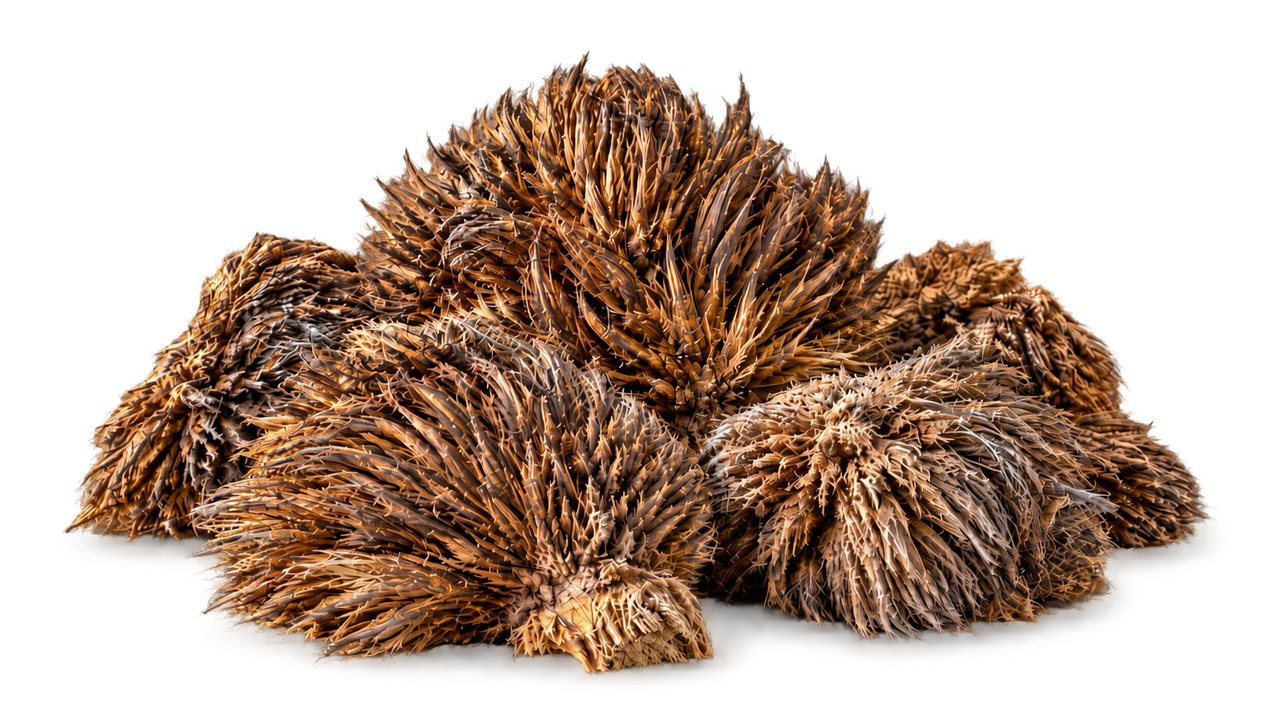
MATERIAL & USE
Understanding EFB.
Empty Fruit Bunch is the fibrous bunch structure remaining after palm fruits are removed during threshing. It can be used as feedstock for further processing; fuel use depends on preparation and the receiving plant’s requirements.
Available condition at source.
Whole bunches and processed fibre have different handling and moisture characteristics. The available form is confirmed for each enquiry. Shredding, drying or baling should be discussed separately where needed.
PRODUCT REFERENCE
Indicative characteristics.
| Parameter | Published reference* |
|---|---|
| Calorific valueDry-weight basis | ≈ 4,490 kcal/kg≈ 18.8 GJ/MT |
| MoistureAs available from source in the publication | ≈ 65% |
| AshDry-weight basis | ≈ 4.6% |
| Material formGeneral product description | Fibrous bunch materialAvailable preparation to confirm |
| Bulk density & size | Source-dependentConfirm for the available material |
*Published examples, not a supply range or AJP shipment test results. Actual characteristics vary with source, preparation, handling and storage. Dry-basis energy does not represent the energy per tonne of wet material delivered.
About these reference values
The numerical examples above come from MPOB’s 2008 publication on Malaysian mill biomass. They are general product references and do not constitute AJP supply specifications. Additional studies below provide context on preparation, fuel suitability and mill processing.
- MPOB — Oil Palm Bulletin 56 (2008), Tables 1 and 2Chow Mee Chin, Mohd Basri Wahid and Chan Kook Weng: Availability and Potential of Biomass Resources from the Malaysian Palm Oil Industry for Generating Renewable Energy. Table 1 reports moisture at source; Table 2 reports dry-weight fuel characteristics. Energy figures above are rounded and converted from kJ/kg.
Supporting research
- Japan — Nurdiawati et al. (2015), Journal of the Japan Institute of EnergyProduction of Low-Potassium Solid Fuel from Empty Fruit Bunches (EFB) by Employing Hydrothermal Treatment and Water Washing Process. Researchers at Tokyo Institute of Technology and Nihon University examine raw and treated EFB, including potassium and chlorine removal. Supports the importance of preparation for fuel use; treated-material results are not specifications for untreated EFB.
- Netherlands — Wageningen University & Research (2025), Report 2606Comparative Study on the Sustainability of Vegetable Oils. Section 3.1.2 describes EFB recovery, handling challenges and processing applications in Indonesia. Cited for mill-processing context, not for the calorific value, moisture or ash figures above. Full report hosted by the Dutch government.
Compare test results using the same moisture basis, material preparation and energy definition. GCV / HHV means gross or higher heating value; NCV / LHV means net or lower heating value. MPOB’s 2008 table labels its values as calorific value on a dry-weight basis. The supporting studies are not used to calculate the numerical examples above.
Material form, bulk density and size depend on preparation and handling. Confirm current source condition and any available test results when discussing supply.
SOURCING & DELIVERY
EFB sourcing and delivery from Riau.
AJP sources EFB primarily in Riau and coordinates road delivery to industrial buyers across Indonesia. Contact us to discuss current availability, required volume, destination, and Loco or Franco delivery terms.
Discuss EFB supply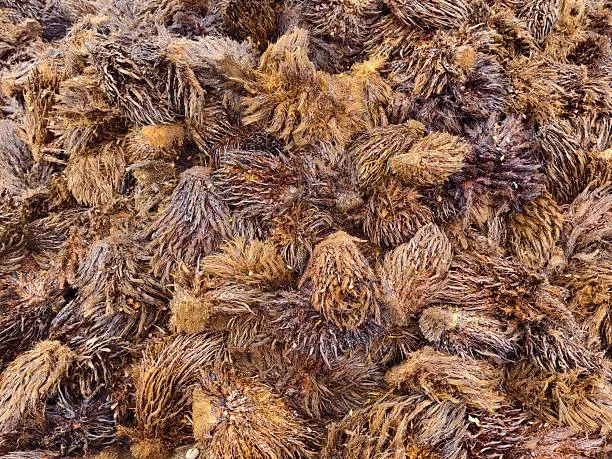
Where palm biomass comes from
PALM MILLING CONTEXT
Where PKS, PMF and EFB come from.
These three materials are recovered at different stages of palm oil milling. EFB comes from threshing, PMF from fibre and nut separation after pressing, and PKS from nut cracking and shell separation.
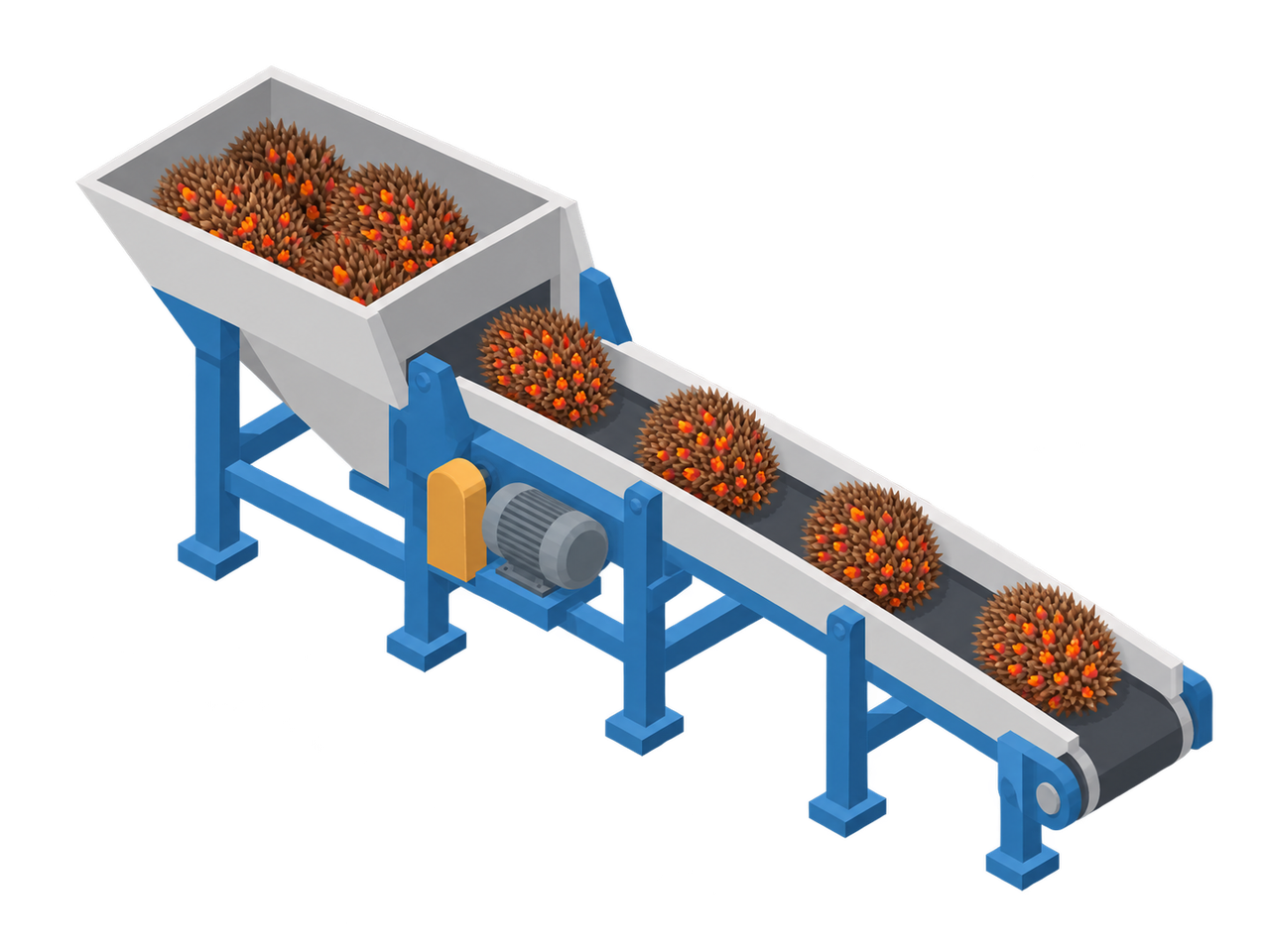
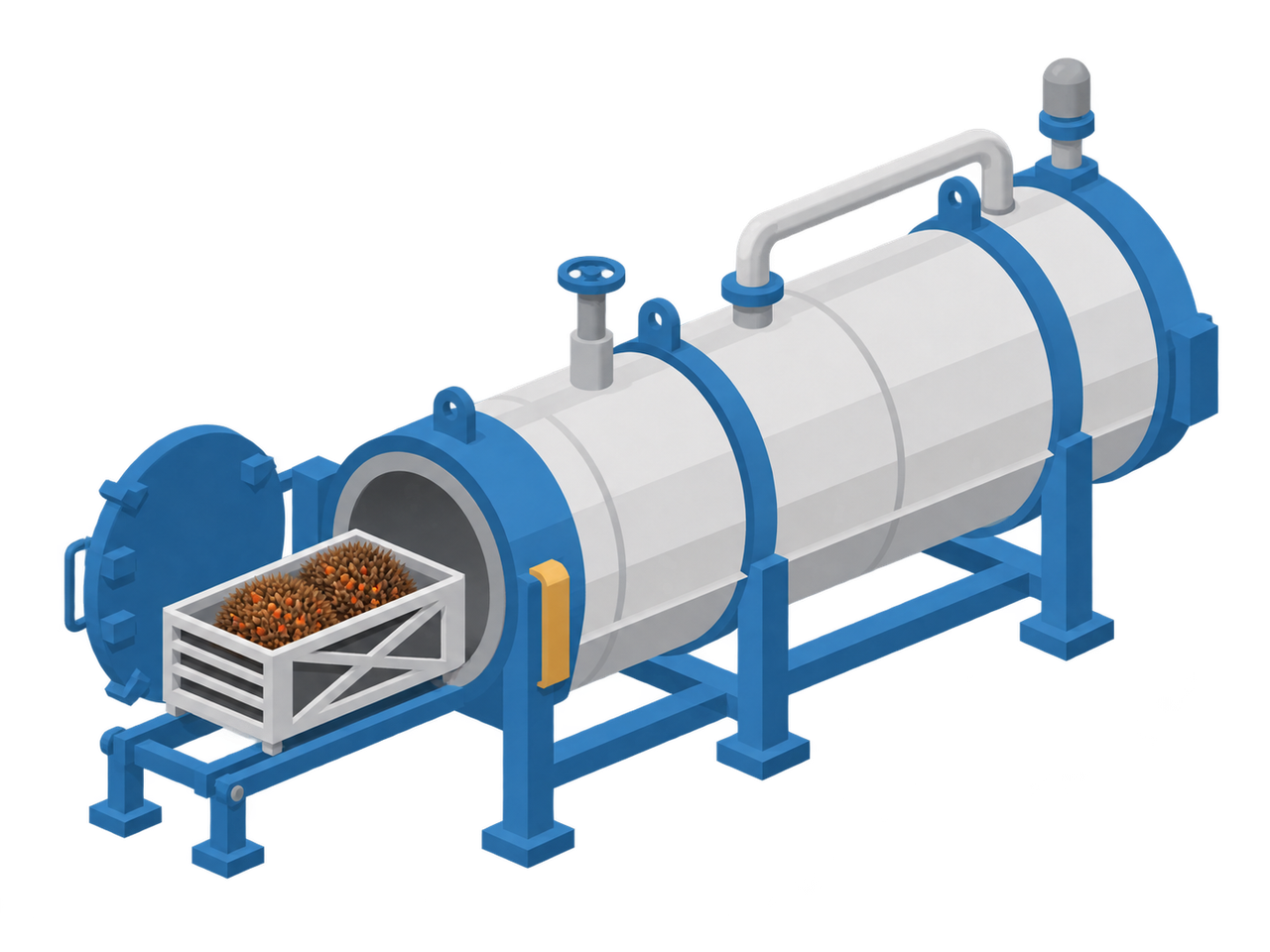
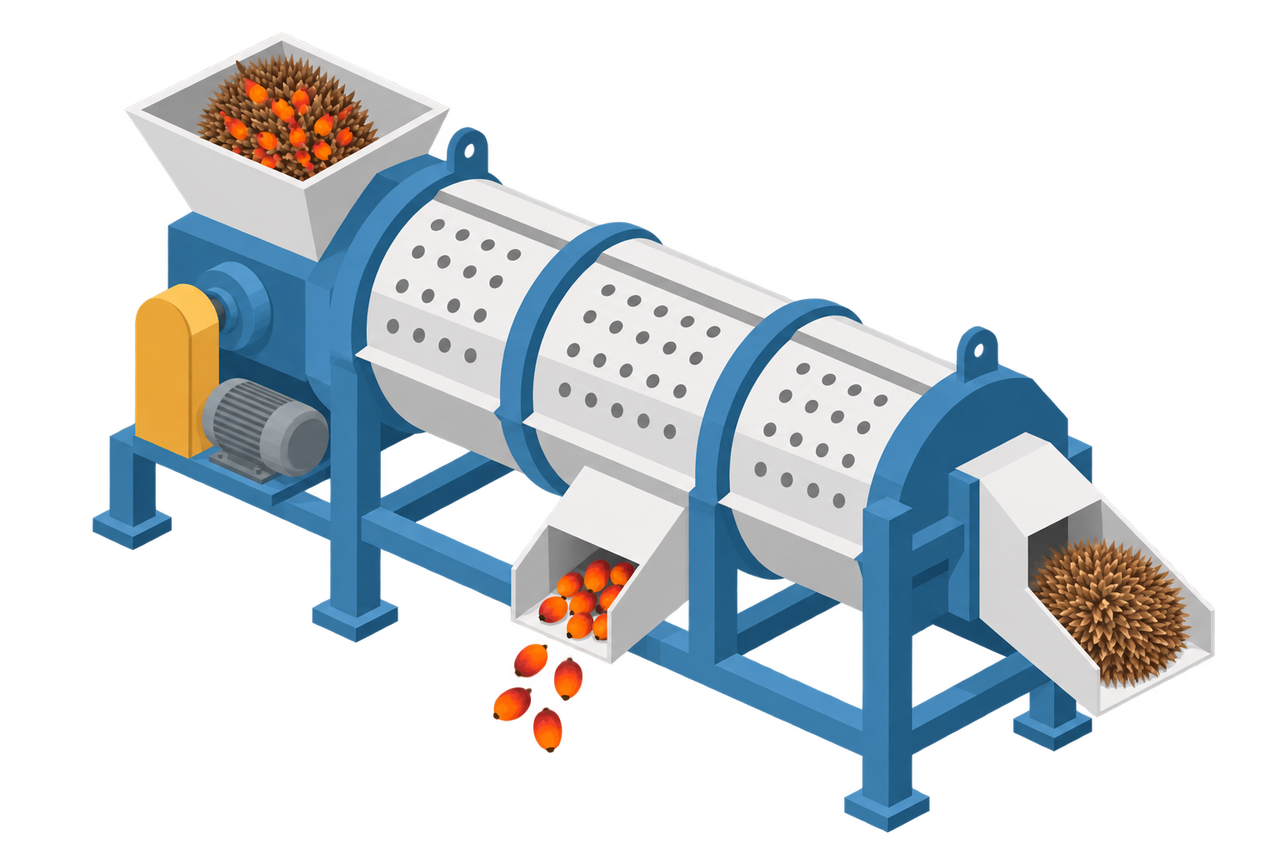
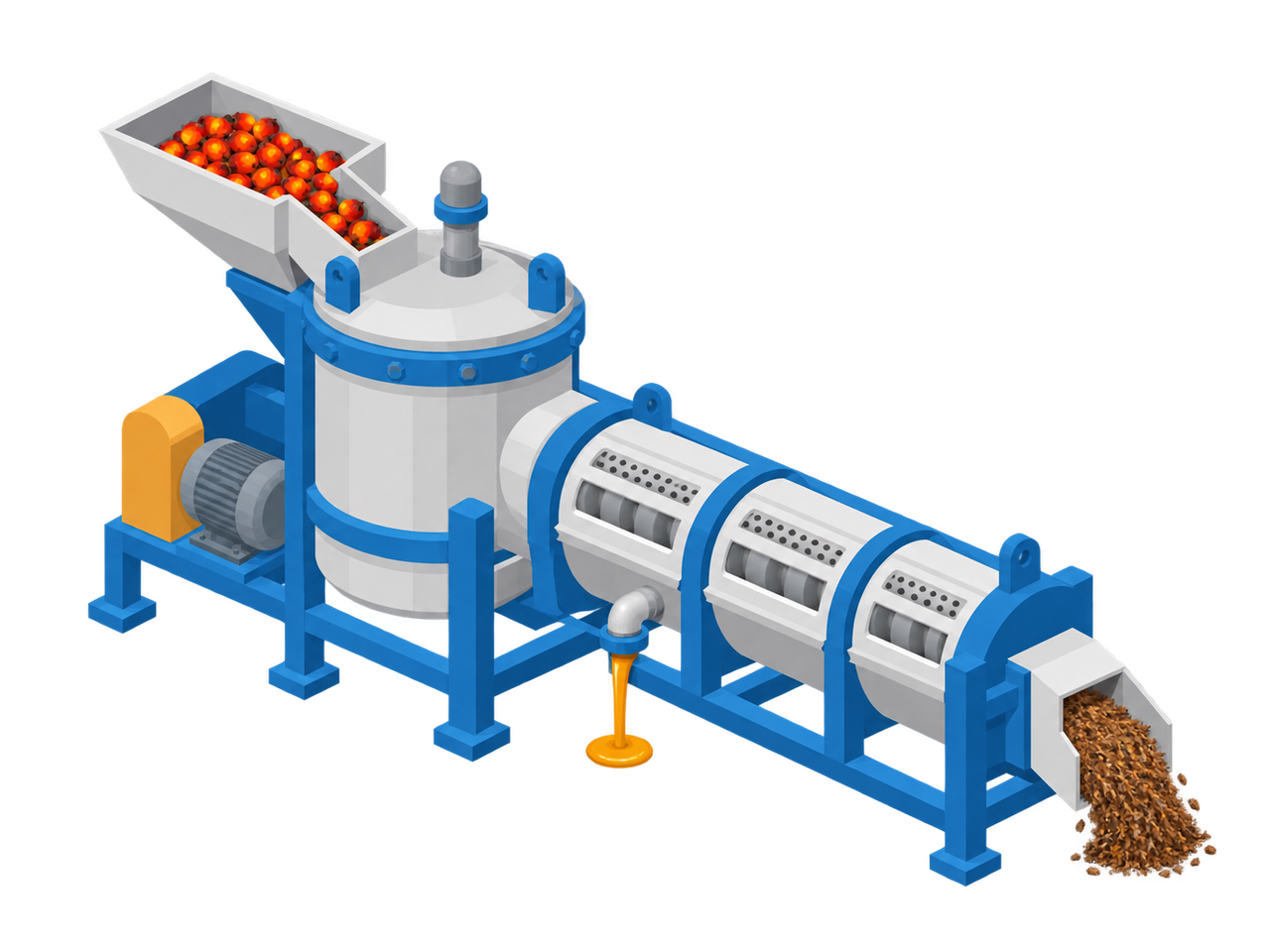
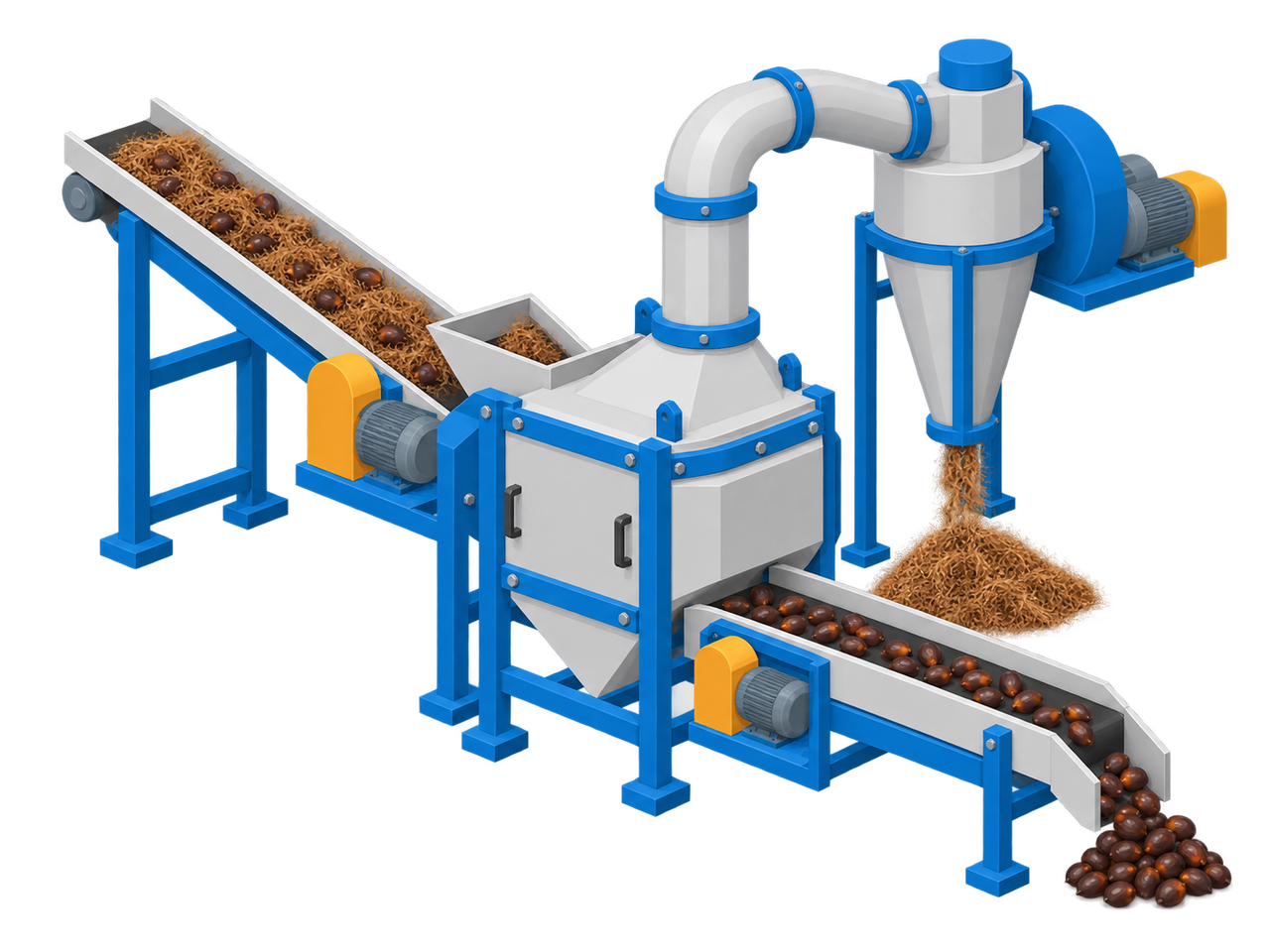
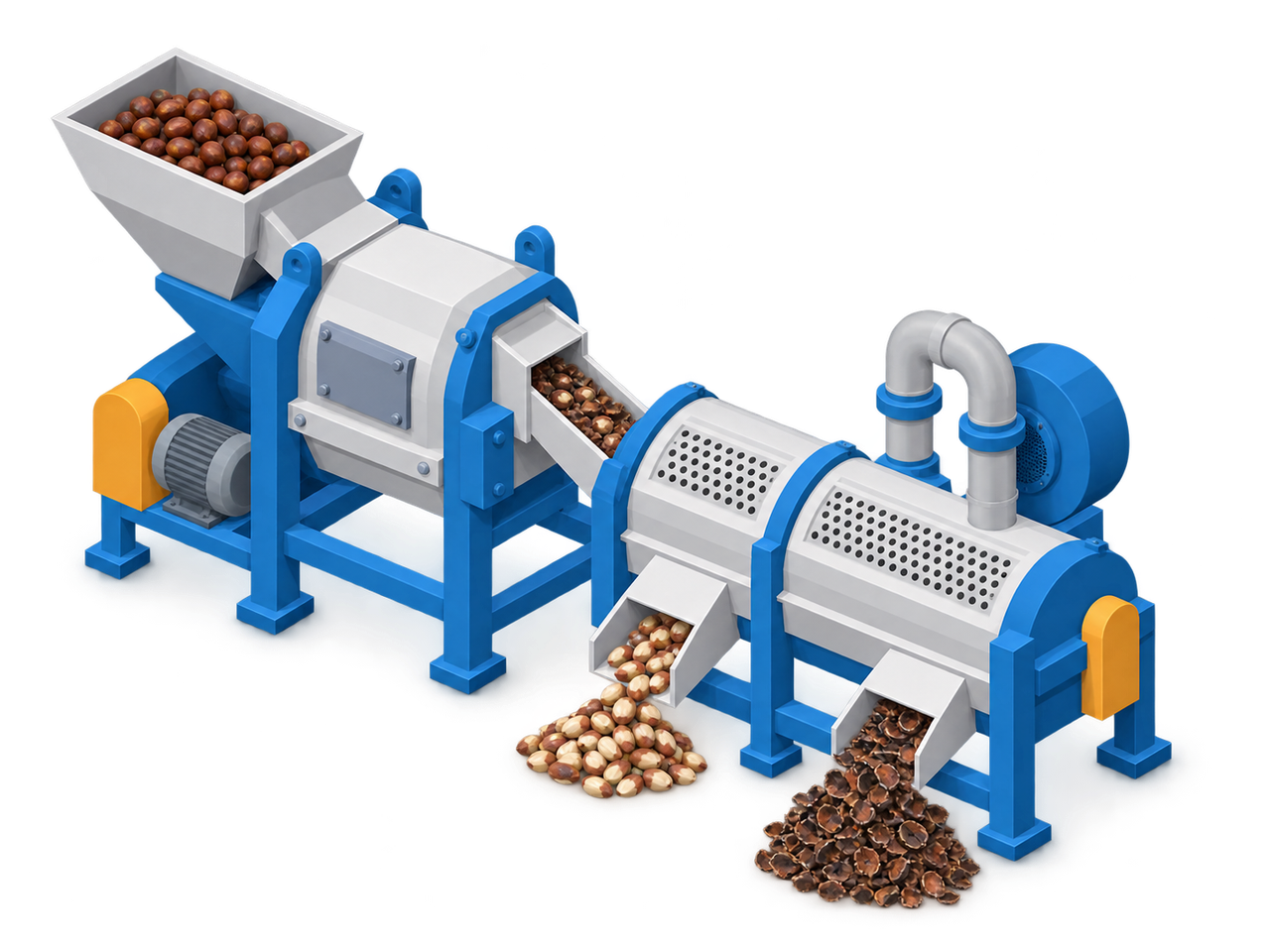
Simplified milling sequence. Reference: FAO — Palm oil processing.