
PKS
Palm Kernel Shell
Hard shells recovered during palm kernel processing, used as solid fuel in industrial boilers.
Enquire about PKS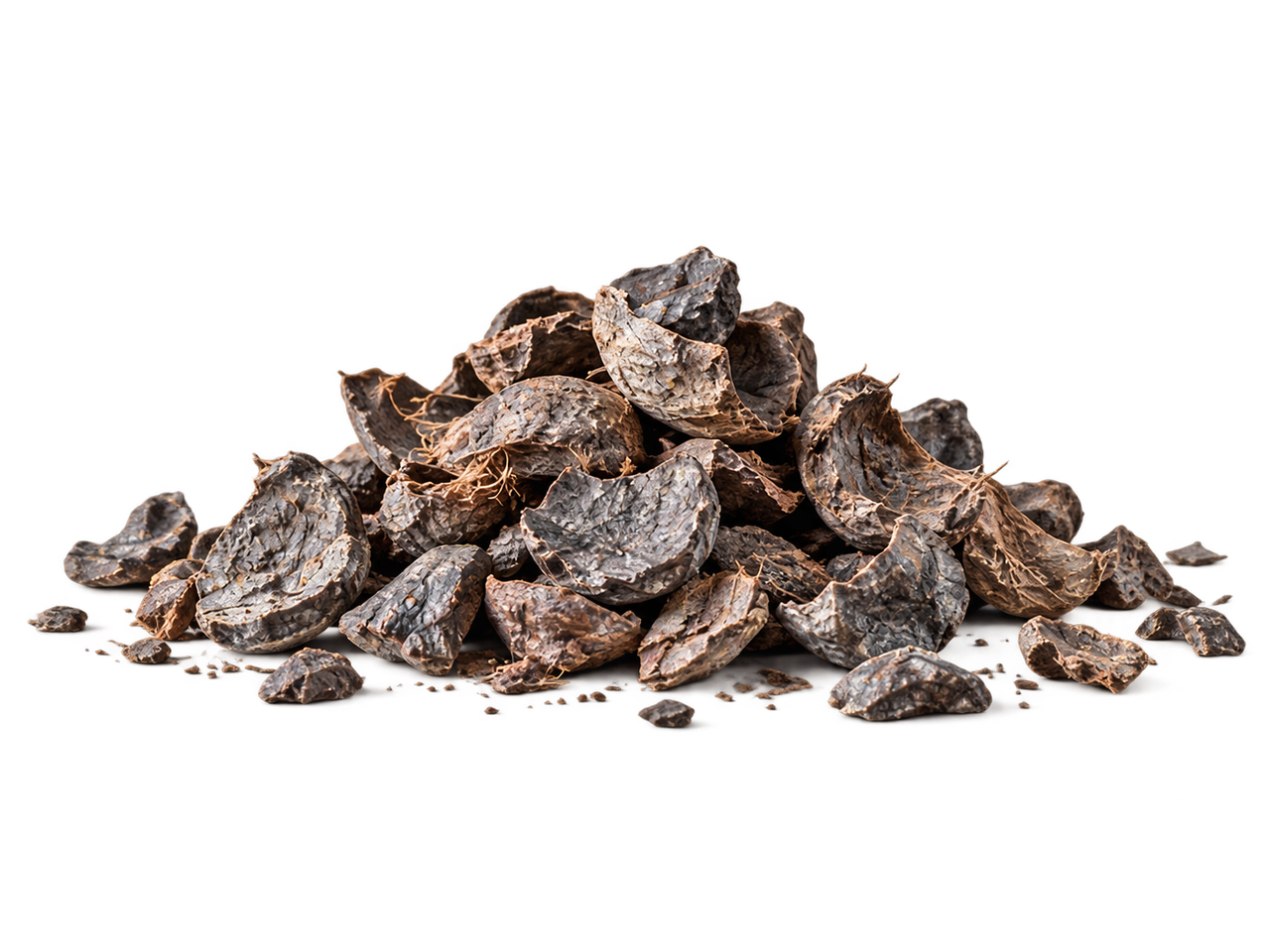
MATERIAL & USE
Understanding PKS.
Palm Kernel Shell is the hard shell surrounding the palm kernel, recovered during nut cracking and kernel separation at palm oil mills. It is used as a biomass fuel in compatible industrial boilers.
Supplied as received.
AJP supplies PKS in its available condition at the source. Moisture, shell size and foreign material can vary between sources and loads. Suitability depends on the receiving plant’s fuel and handling requirements.
PRODUCT REFERENCE
Indicative characteristics.
| Parameter | Reference range |
|---|---|
| Calorific value Published sources use different reporting bases | ~3,500–4,500 kcal/kg≈ 14.6–18.8 GJ/MT |
| Moisture As received where specified | ~10–25% |
| Ash Dry or air-dried basis, depending on source | ~2–5% |
| Foreign material Working commercial reference* | ~0–3% |
| Size | ~5–50 mmIrregular shell fragments |
Indicative published and commercial reference ranges only. Actual characteristics vary by source, moisture content, processing condition, handling and storage. Values shown do not constitute AJP supply specifications.
About these reference values
These broad ranges are a working compilation for general product information, not results from AJP shipment testing. They should not be read as a single product grade or a set of acceptance limits.
- Japan Ministry of the Environment — Riau Province study (2021), Table 4-4Two shell samples recorded gross calorific values of 4,256 and 4,503 kcal/kg as received, total moisture of 14.1% and 15.6% as received, and ash of 2.5% and 2.6% on the report’s air-dried basis.
- ERIA / IEEJ — Development of the Bioenergy Supply Chain in AZEC Partner Countries (2025), Table 3.8Reports an indicative PKS calorific-value range of 3,500–4,200 kcal/kg in its Indonesia biomass feedstock comparison.
- Journal of Oil Palm Research — Haryati et al. (2018), Table 3A peer-reviewed MPOB study measured an air-dried raw PKS sample at 19.5 ± 0.6 MJ/kg, with moisture of 4.86 ± 1.29% and ash of 2.17 ± 0.59% on a dry-weight basis.
The publications use different sample preparation and reporting bases, so their values are not directly interchangeable. Compare test results only when the basis and method are the same.
*Foreign material and particle size are working commercial handling references; they are not established by the publications above. Confirm any load-specific requirements and testing basis for each enquiry.
SOURCING & DELIVERY
PKS sourcing and delivery from Riau.
AJP sources PKS primarily in Riau and coordinates road delivery to industrial buyers across Indonesia. Contact us to discuss current availability, required volume, destination, and Loco or Franco delivery terms.
Discuss PKS supply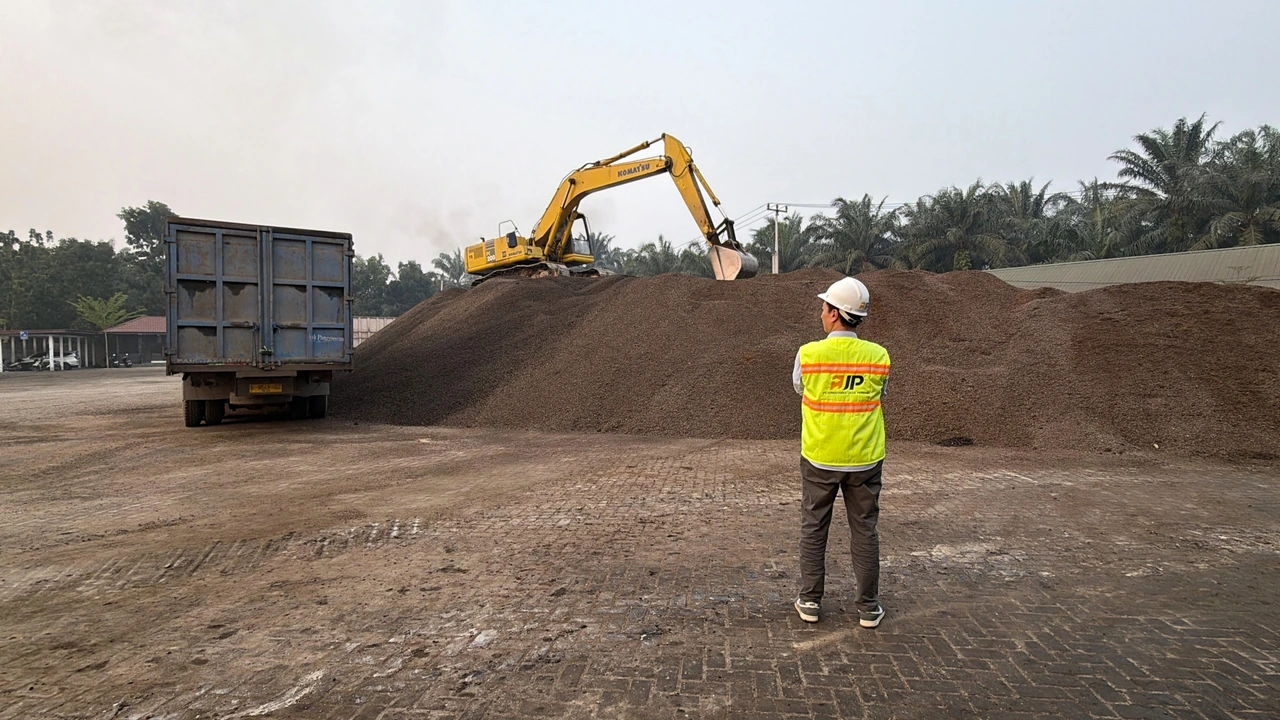
Where palm biomass comes from
PALM MILLING CONTEXT
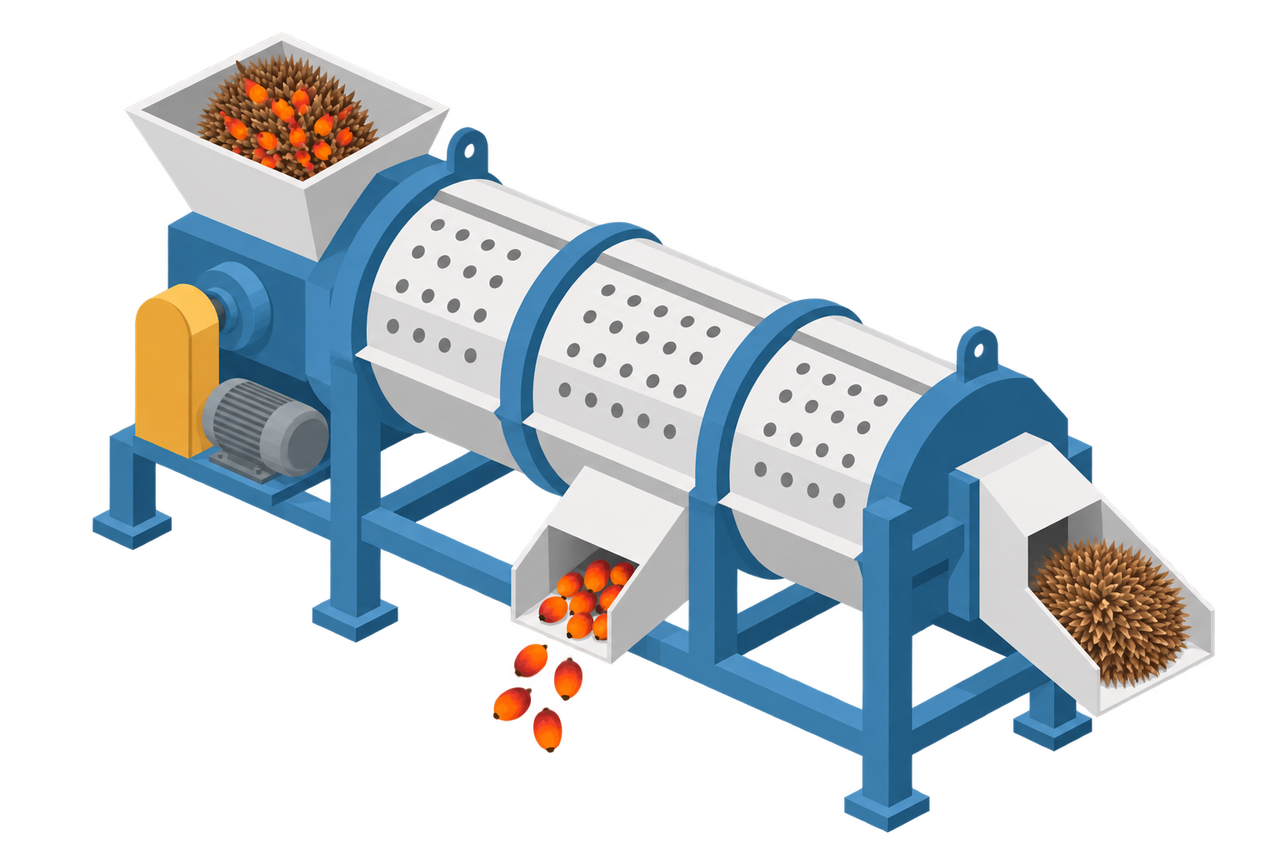
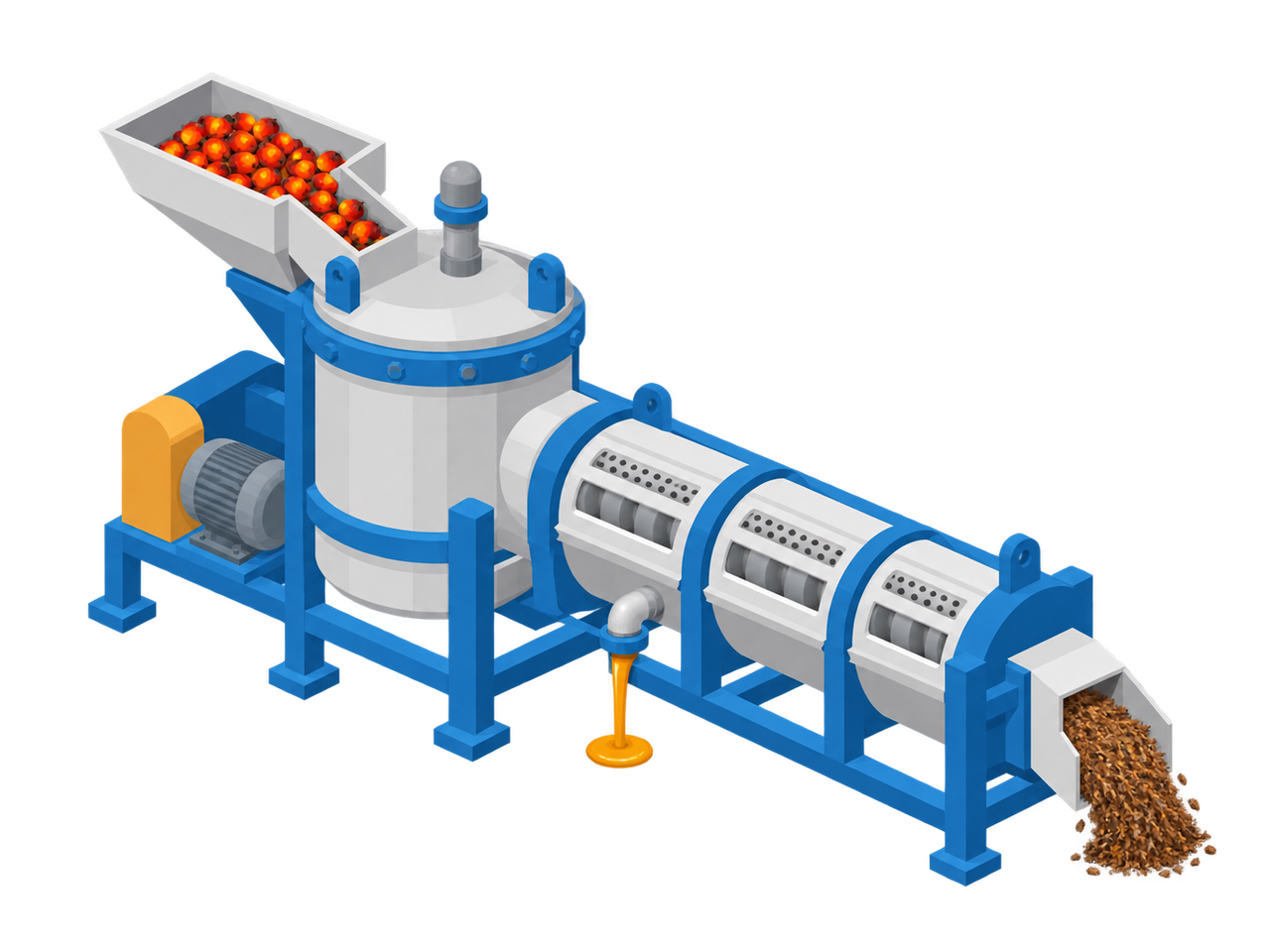
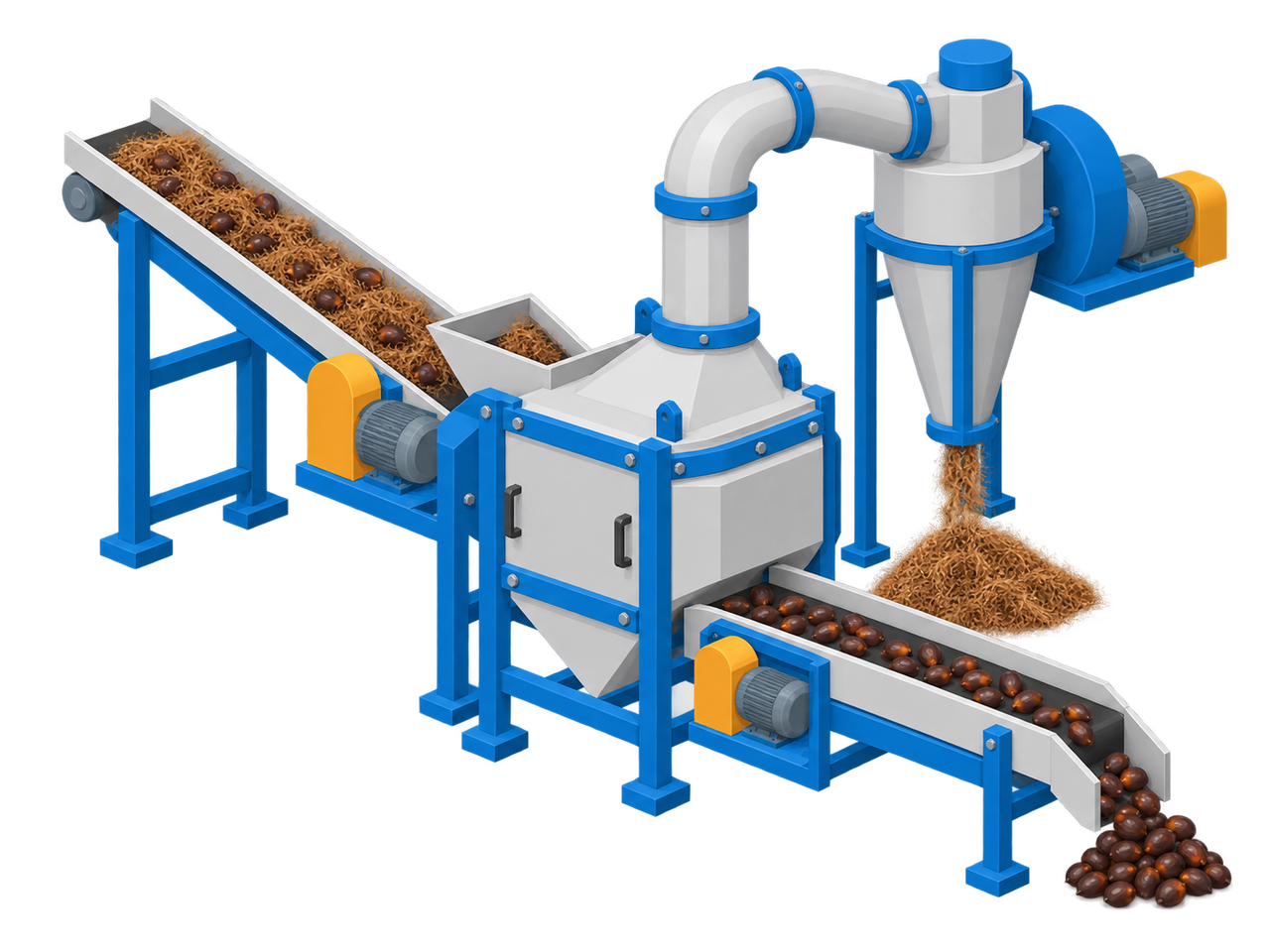
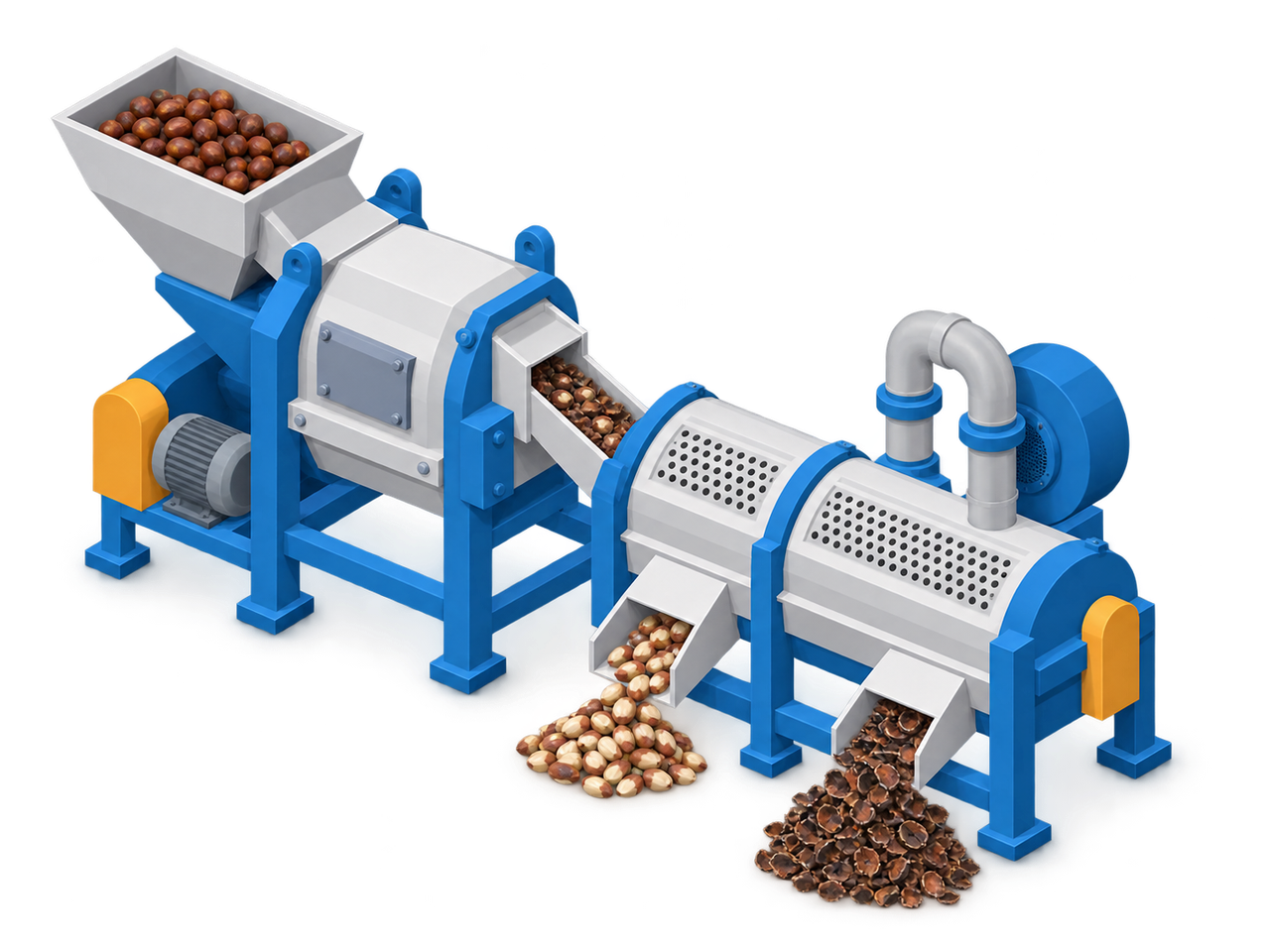
Where PKS, PMF and EFB come from.
These three materials are recovered at different stages of palm oil milling. EFB comes from threshing, PMF from fibre and nut separation after pressing, and PKS from nut cracking and shell separation.
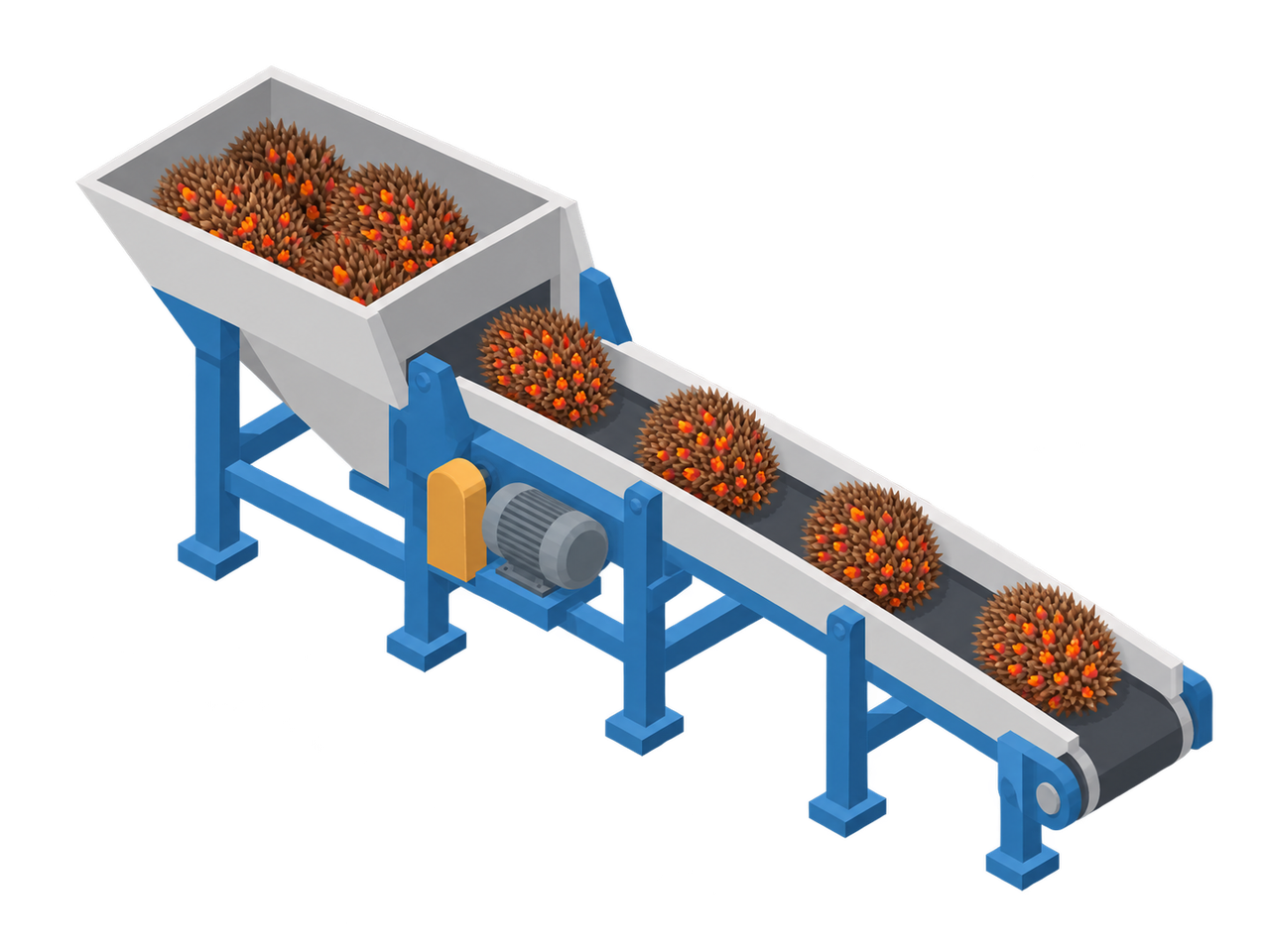
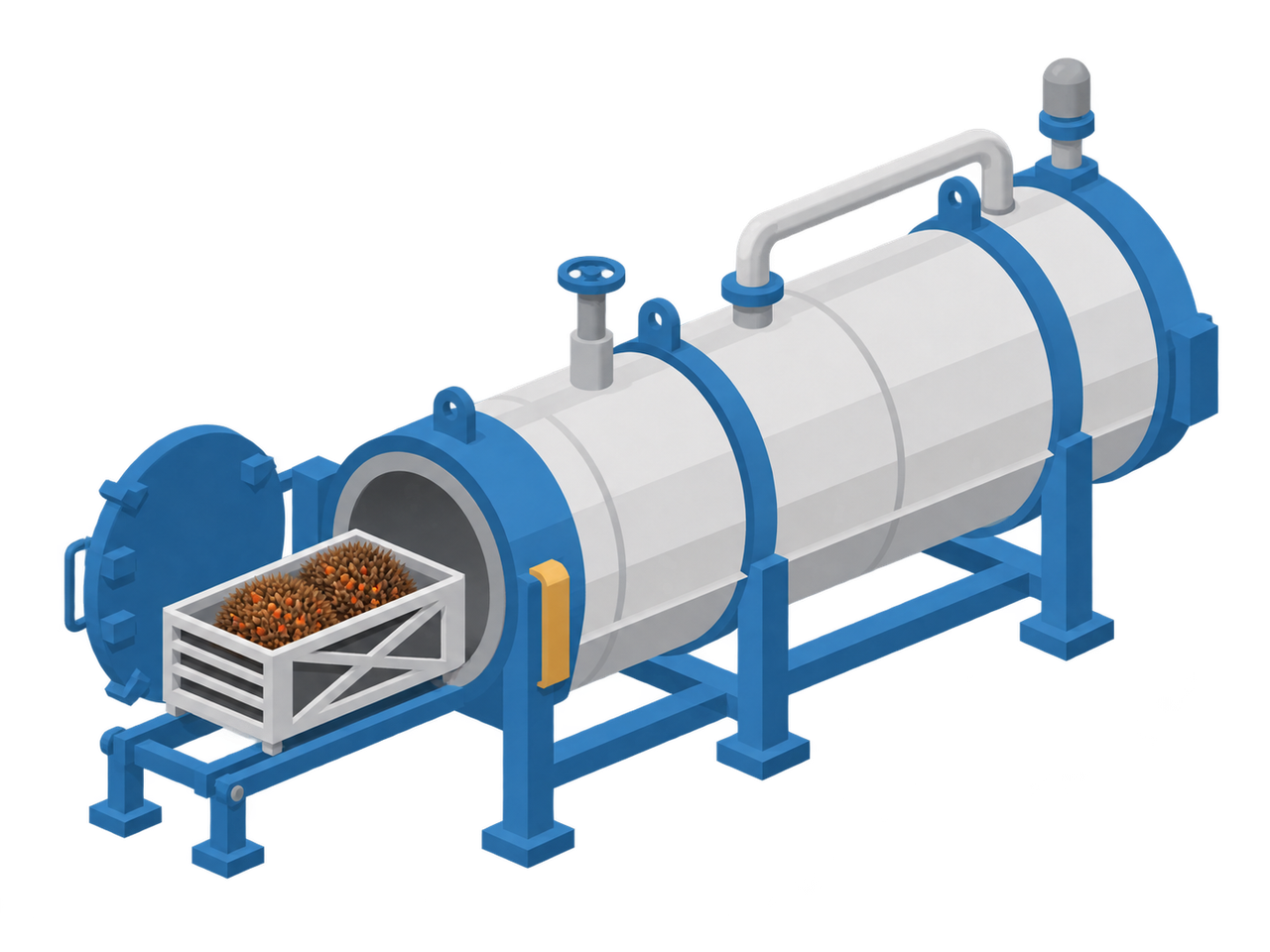
Simplified milling sequence. Reference: FAO — Palm oil processing.